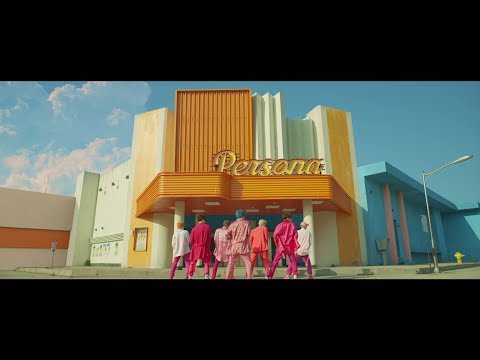
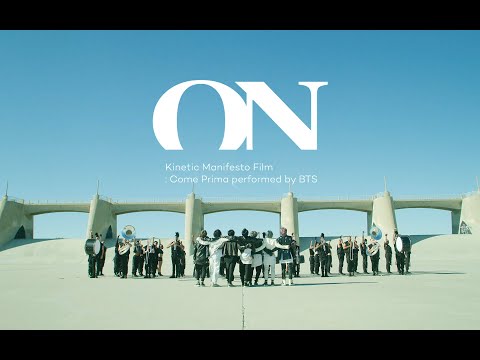
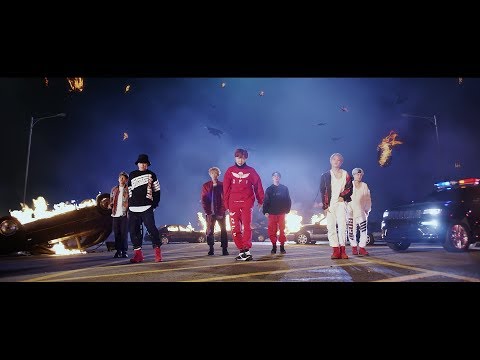
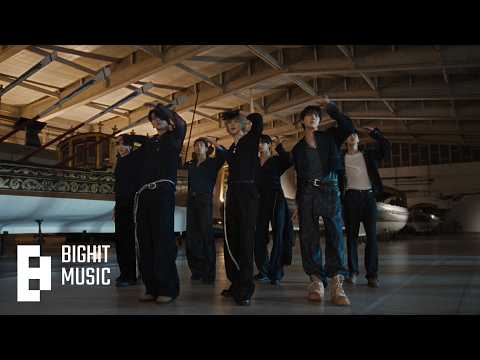
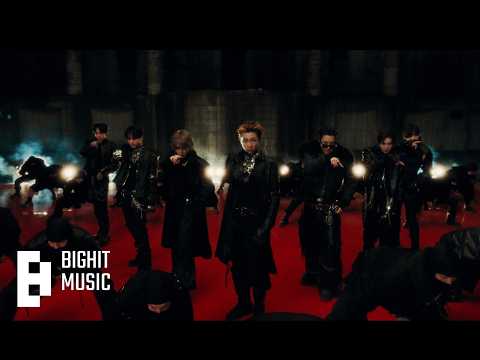
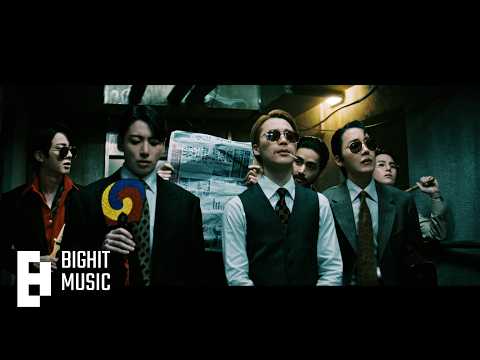
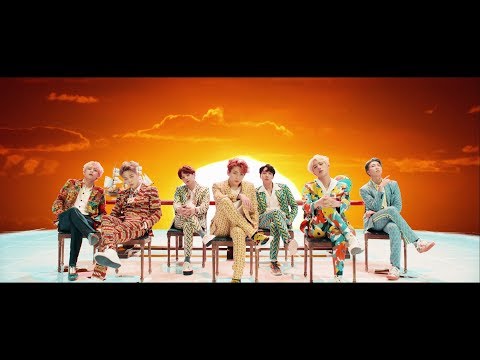
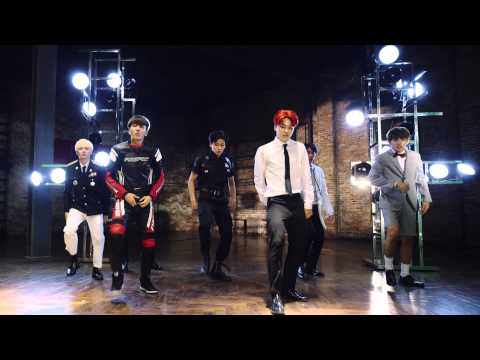
BTS – FAKE LOVE Official MV | Emotional Masterpiece is the 2018 music video that marked a pivotal moment in BTS’s artistic evolution, blending rock, trap, and orchestral elements with a deeply symbolic narrative about the pain of self-loss, emotional deception, and the boundary between authentic and false love. As of 2026, the video remains one of the most viewed and most analyzed K-pop releases in history, with well over 1.2 billion YouTube views and a lasting influence on global discussions about identity, mental health, and the role of pop culture in youth emotional development
.
Context: FAKE LOVE and the Love Yourself Era
“Fake Love” was released on May 18, 2018 as the lead single from Love Yourself: Tear, the first installment of BTS’s Love Yourself series that explores the painful process of love’s breakdown before the eventual self-love resolution in Answer. The song is described as a “rock-trap” hybrid that fuses electronic, rock, and orchestral elements, with lyrics that depict the torment of realizing that a once-perfect love was actually based on illusion and self-deception: “I cried for you, I lied for you / I even die for you, I believe for you,” and “This love that I thought was real is just fake love”.
The track was written and produced by a team that included leader RM, “Hitman” Bang, and producer Pdogg, reflecting BTS’s hybrid approach of blending Korean and Western musical styles. The song quickly became a commercial powerhouse, reaching the top 10 in multiple countries and earning Gold and Platinum certifications in the U.S., Japan, and other markets, as well as contributing to BTS’s status as one of the most influential groups in the global music industry.
Visual and Narrative Structure of the FAKE LOVE MV
The official music video, directed by YongSeok Choi of LUMPENS, constructs a surreal, emotionally charged world where the members are trapped in a series of symbolic environments that represent different facets of emotional pain and identity loss:
Jimin is shown inside a glass box filled with water and flowers, symbolizing suffocation, isolation, and the pressure of pretending to be happy while feeling trapped.
Jin is depicted in a room with a shattered window and a broken interior, representing the collapse of his self-image and the fear that his heart will be destroyed by fake love.
Taehyung appears in a dark, empty space with a “save me” sign, expressing desperation and the need for rescue from the emotional devastation of false love.
The members frequently cover their eyes, ears, and mouths during the choreography, a visual reference to the “see no evil, hear no evil, speak no evil” concept, conveying their mental avoidance of pain and their inability to confront the truth of their situation.
The video’s color palette shifts from vibrant, dreamlike pastels to muted, sepia tones, reflecting the transition from the euphoric stage of love to the breaking point of realization and despair.
The choreography itself, created by Yoo Young-jin and the group’s performance team, is emotionally intense, using sharp, dramatic movements that mirror the song’s rock-trap energy and the narrative of self-loss and emotional collapse.
Extremely Positive Perspectives: Cultural, Social, and Industry Impact
A Defining Artistic Statement on Identity and Emotional Pain
From a highly positive perspective, “FAKE LOVE Official MV” is widely regarded as one of BTS’s most artistically significant and emotionally resonant releases. The video’s symbolic depth, raw vocal delivery, and dramatic choreography have been praised as a powerful demonstration of BTS’s ability to blend high-concept artistry with commercial success, setting a new benchmark for what a K-pop release could achieve in terms of visual storytelling and emotional impact.
Psychologists, educators, and mental health advocates have cited “Fake Love” as a valuable tool for discussions about identity loss, emotional deception, and the importance of recognizing the difference between authentic and false relationships. The song’s message has been integrated into youth programs, school workshops, and mental health campaigns, helping to normalize conversations about emotional pain, self-worth, and the challenges of maintaining healthy relationships.
Industry Influence and Global Recognition
From an industry and global recognition standpoint, “Fake Love” demonstrated:
The ability of BTS to evolve their musical style, moving from upbeat pop and hip-hop to a more complex, emotionally charged rock-trap hybrid.
The group’s continued relevance in the global music industry, contributing to their first Billboard Hot 100 entry and their performance at the Billboard Music Awards, marking a significant shift in how Western music media viewed K-pop.
The power of symbolic, narrative-driven music videos to sustain fan engagement and cultural momentum, even in the absence of major promotional campaigns.
The song and video’s success helped BTS break into the U.S. mainstream, leading to their first Billboard Music Awards performance and setting the stage for their subsequent global dominance. Billboard included “Fake Love” on its “100 Best Songs of 2018” list, and the group was named one of the greatest boy bands of all time, marking a significant shift in how Western music media viewed K-pop.
Social and Cultural Influence: Representation, Identity, and Emotional Health
From a social and cultural standpoint, “Fake Love” and its video have contributed to:
Strengthening the visibility of Asian and Korean artists in mainstream Western media, helping to normalize diverse representation in high-profile music releases.
Inspiring young people, especially Asian and Asian-American audiences, to see themselves represented in global pop culture and to pursue their ambitions in music, dance, and creative fields.
Encouraging discussions about emotional health, identity formation, and the value of global music that does not conform to Western-only norms.
Educators, cultural commentators, and mental health advocates sometimes use BTS’s work to discuss self-discovery, identity formation, and the importance of recognizing emotional deception. “Fake Love”’s raw, melancholic vibe and lyrics about self-loss have been cited as a source of comfort and validation for fans who feel misunderstood or trapped in unhealthy relationships.
Extremely Negative Perspectives: Criticisms and Limitations
Commercialization of Pain and Emotional Marketing
From a sharply critical angle, some observers argue that “Fake Love” transforms the concept of emotional pain and identity loss into a marketable product, part of a larger campaign that sells personal struggle and heartbreak as a consumer experience. The repeated “I cried for you, I lied for you” mantra can be seen as a slogan that is easy to repeat but difficult to implement in real life, especially for young people facing systemic pressures, social inequality, or personal challenges.
Critics may say that the video’s message, while empowering, risks oversimplifying the complexity of emotional pain and identity loss, reducing them to catchy phrases that can be packaged and sold. In this sense, “Fake Love” can be interpreted as a commercialized version of emotional struggle that prioritizes brand image over deeper, more nuanced engagement with personal and social issues.
Reinforcement of Idol Culture and Industry Pressure
Another negative critique focuses on the fact that “Fake Love” is itself a product of the idol industry, which has been criticized for its intense training systems, strict control over artists’ lives, and the pressure placed on young performers to maintain idealized images. The song’s message of self-loss and emotional deception can be seen as ironic, given that BTS’s identity is still shaped by corporate decisions, fan expectations, and industry demands.
Critics argue that the video’s celebration of BTS’s emotional journey may mask the structural problems that many idols face, such as lack of autonomy, mental strain, and the constant need to perform. In this view, “Fake Love” is both a critique of the idol system and a product of it, revealing the tension between artistic expression and commercial reality.
Limits of Recognition and Global Representation
On a broader level, some observers note that despite “Fake Love”’s massive success and emotional impact, BTS and other K-pop artists continue to face barriers in receiving formal recognition from major Western institutions, such as the GRAMMYs. The song’s cultural impact does not necessarily translate into equal institutional power, reflecting the ongoing limits of global recognition for non-Western artists.
Critics argue that the music industry’s recognition structures still favor established Western artists and that BTS’s emotional and commercial dominance does not guarantee equitable treatment. In this sense, “Fake Love” is both a triumph and a reminder of the ongoing struggle for respect and recognition in the global music industry.
Real Contribution Across Different Sectors
Music and Entertainment Industry
In the music and entertainment sector, “FAKE LOVE Official MV” contributed to:
Setting new benchmarks for emotional delivery, symbolic storytelling, and hybrid musical styles in K-pop releases.
Demonstrating that non-English-language artists can dominate mainstream Western platforms, encouraging other global artists to pursue international releases.
Driving growth in digital platforms (YouTube, Spotify, TikTok) and related industries such as fashion, merchandise, and live events.
The video’s sustained view count and continued discussion in media and fan communities confirm its ongoing cultural and economic relevance.
Technology, Digital Platforms, and Fan-Driven Marketing
For technology and digital platforms, “Fake Love” has:
Demonstrated how fan communities can directly influence view counts, social media engagement, and cultural momentum through analysis, reaction videos, and fan theories.
Encouraged platforms to develop new tools and strategies for fan-driven marketing, including coordinated streaming, social media campaigns, and real-time engagement.
Contributed to the growth of the “ARMY economy,” including merchandise, fan events, brand partnerships, and digital content.
The song and video’s record-breaking numbers show the power of digital ecosystems to sustain long-term engagement with artistic content, even in the absence of major promotional campaigns.
Education, Identity, and Social Progress
In education and social contexts, “Fake Love” has been used as:
A cultural reference for discussions about identity, emotional health, and the importance of recognizing emotional deception.
A motivational example for young people, especially Asian and Asian-American audiences, to pursue their ambitions and challenge stereotypes.
A tool for educators and counselors to connect with students who feel marginalized or underrepresented in traditional media.
While not a direct policy intervention, the song and video support broader efforts to promote inclusivity, cross-cultural understanding, and the value of global art in shaping social progress.
Conclusion: A Dual Legacy of Emotional Depth and Complexity
“BTS – FAKE LOVE Official MV | Emotional Masterpiece” is, at its core, a visually symbolic, emotionally intense, and culturally significant work that reaffirmed BTS as global icons and a central force in the music industry, marking a pivotal moment in their artistic evolution from pop and hip-hop to a more complex, emotionally charged rock-trap hybrid. Its most positive legacy lies in how it set new benchmarks for emotional delivery, symbolic storytelling, and hybrid musical styles in K-pop releases. Its most negative legacy lies in the risks of commercializing emotional struggle, reinforcing idol culture pressures, and the ongoing limits of institutional recognition for non-Western artists.
Ultimately, the real contribution of “Fake Love” is not just as a hit song or a viral video, but as a cultural artifact that continues to shape how fans, critics, educators, and industry stakeholders think about identity, emotional health, and the future of global pop culture in the 2020s. Its enduring view count, emotional impact, and critical analysis confirm that it remains a powerful, complex, and deeply relevant work in contemporary pop culture.