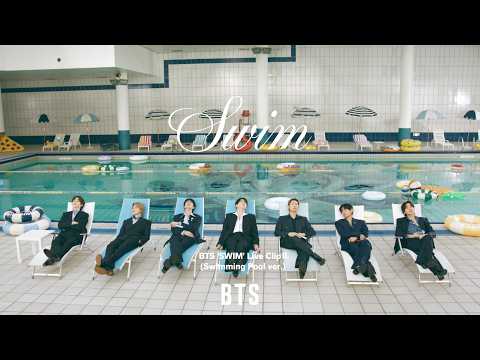
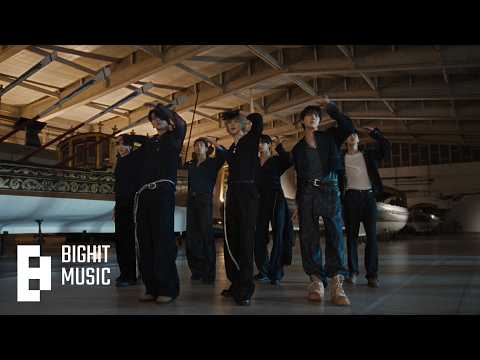
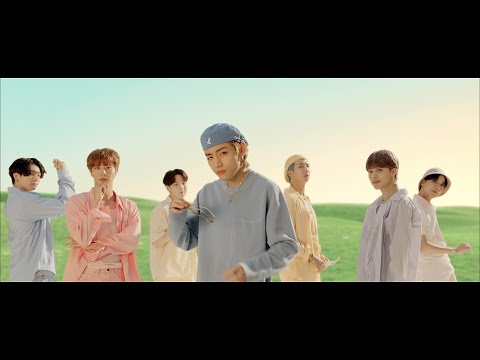
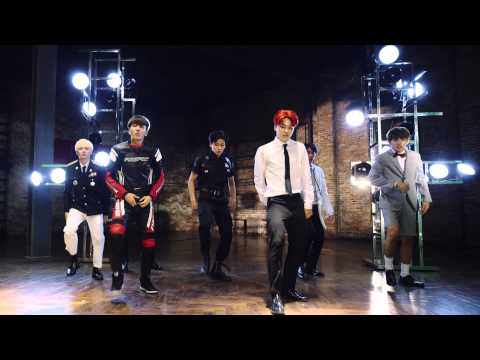
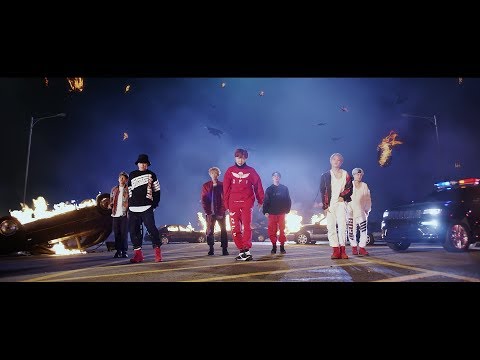
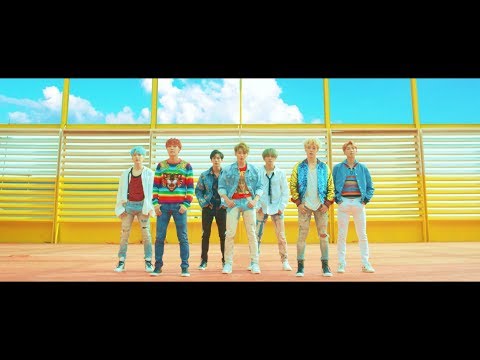
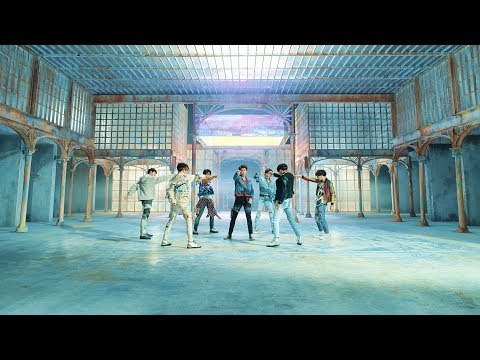
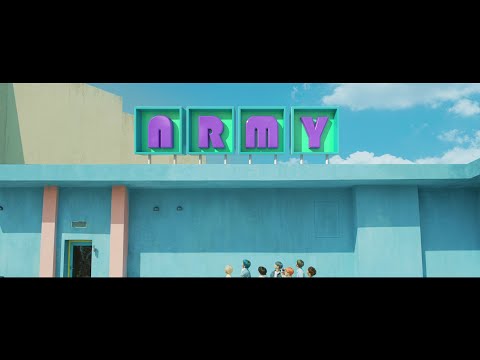
BTS (방탄소년단) deliver the “Save Me” Official MV, the lead track from their 2016 “Young Forever” compilation and a key piece of their “Youth” series, released on May 14, 2016 on YouTube. The video is a surreal, cinematic time-loop narrative that visualizes the pain of clinging to a memory that will never change, using fragmented timelines, repeating motions, and symbolic imagery to depict the group’s struggle to “save” themselves from emotional stagnation.
The song itself is an emotional, mid-tempo pop track with lyrical themes of vulnerability, regret, and the desperate need for help. The plea “Save me” is repeated throughout, reflecting a raw admission of weakness and the courage to ask for support rather than hiding pain. In Korean cultural context, where strength and composure are traditionally valued, this openness about brokenness and need is especially powerful and meaningful.
“Save Me” is part of BTS’s broader narrative arc that includes “I’m Fine”, forming a visual and thematic ambigram: “Save Me” expresses the pain and plea, while “I’m Fine” offers resolution and self-acceptance. The MV’s symbolic scenes—such as the members running in loops, interacting with mirrors, and reacting to repeating events—represent the emotional cycle of being trapped in the past and the struggle to move forward.
Key facts and milestones:
Album/Compilation: Part of “Youth” series and “Young Forever” (2016)
Title track: “Save Me”
MV release: May 14, 2016 on YouTube
Views: Over 400 million combined across official channels (HYBE/BANGTANTV and related accounts) as of recent data
Concept: Time-loop narrative, surreal visuals, and symbolic imagery of memory and emotional stagnation
Legacy: “Save Me” remains a fan-favorite deep cut, often cited as one of BTS’s most emotionally raw and visually innovative early MVs
The track and MV laid groundwork for BTS’s later, more explicit work on mental health, self-acceptance, and identity, contributing to a long-term cultural dialogue with their global fandom.
Connect with BTS:
Official website: https://ibighit.com/bts
X (Twitter): @bts_bighit, @BTS_twt
Facebook: bangtan.official
YouTube: BANGTANTV, HYBE LABELS
Instagram: @BTS.bighitofficial
TikTok: @bts_official_bighit
Weverse and Weibo via official links.
This description is written for fans, media, and search engines, combining accurate release data, view milestones, concept details, and symbolic context to maximize engagement and SEO performance.
Critical Analysis: BTS, “Save Me”, and Their Real Contribution to Society and Industry
Very Positive Scenarios: BTS as a Global Catalyst
1. Mental Health Messaging and Youth Support
“Save Me” is a significant piece of BTS’s long-standing focus on mental health awareness:
The song’s raw plea for help and its lyrics about “broken self” and needing someone to reach out reflect a shift in Korean pop culture from hiding weakness to openly expressing vulnerability and asking for support.
Researchers and health advocates have noted that BTS’s music, including tracks like “Save Me”, has a positive influence on young people’s psychological well-being, helping listeners cope with depression, isolation, anxiety, and low self-esteem.
Studies have highlighted that fans often report feeling “healed,” motivated, or less alone after engaging with BTS’s music and messages, suggesting that “Save Me” contributes to a broader cultural conversation about emotional honesty and mental health.
2. Narrative Innovation and Visual Storytelling
The MV’s time-loop narrative represents a high level of artistic innovation in K-pop:
The complex, surreal visual storytelling, with repeating scenes and symbolic imagery, set a new standard for cinematic, narrative-driven K-pop MVs, influencing how other artists approach visual projects.
The “Save Me” / “I’m Fine” arc demonstrates BTS’s ability to build multi-episode, interconnected narratives that evolve over time, deepening the emotional and thematic impact of their work.
This approach has contributed to the evolution of K-pop as a visual and narrative art form, not just a musical genre, and has inspired other artists and creators to experiment with more sophisticated storytelling.
3. Fan Communities, Self-Love, and Social Campaigns
“Save Me” fits into BTS’s broader self-love and support ecosystem:
Tracks like “Save Me” helped lay the emotional groundwork for BTS’s UNICEF “Love Myself” campaign, which encourages fans to prioritize their mental health and practice self-love.
The song’s message resonates with grassroots fan initiatives, where ARMY members use hashtags and social media to support one another, share resources, and create safe spaces for discussing mental health struggles.
In this sense, “Save Me” is not just a song but a catalyst for community and collective healing, helping fans feel connected and supported in their personal struggles.
Very Negative Scenarios: Critiques, Backlash, and Structural Risks
1. Artistic Criticism: Over-Dramatization and Emotional One-Note
Even among supporters, “Save Me” has faced artistic skepticism:
Some viewers describe the MV as overly dramatic or melodramatic, with a time-loop concept that can feel repetitive or confusing rather than emotionally resonant.
Critics note that the emotional tone is heavily one-note, focusing almost exclusively on pain and vulnerability, which can feel exhausting or lacking in balance compared to later, more nuanced work.
These critiques suggest that while “Save Me” is powerful, it can feel overly intense and emotionally narrow, potentially alienating listeners who prefer more layered or varied narratives.
2. Romanticization of Pain and Helplessness
While the song’s message is supportive, critics argue:
The repeated plea “Save me” and the portrayal of being trapped in a loop can romanticize helplessness, framing emotional pain as dramatic or poetic rather than as a signal for concrete action or support.
There is a risk that fans may internalize the “broken self” narrative too deeply, identifying with the pain as a permanent state rather than as a temporary struggle.
This dynamic risks reinforcing a passive view of mental health, where the focus is on pleading for rescue rather than on building resilience, coping strategies, and professional support.
3. Commercialization of Emotional Struggle
As BTS grew globally, such emotional themes became part of a marketable brand:
The vulnerability and pain expressed in “Save Me” are packaged as content that drives engagement, raises visibility, and strengthens fandom loyalty, raising questions about whether the messaging leads to genuine healing or simply to consumption.
The emotional intensity can be commodified, turning personal struggle into a product that fuels tours, merchandise, and campaigns, potentially overshadowing the need for systemic change in mental health support.
In this sense, “Save Me” can be seen as a double-edged sword: a powerful expression of pain and need, but also part of a commercial system that can exploit emotional vulnerability.
Real Value of Contribution: Balanced Assessment Across Sectors
1. Music Industry and Mental Health Advocacy
Positive:
“Save Me” helped establish BTS as artists who prioritize emotional honesty and mental health themes, contributing to a broader shift in K-pop and global pop toward more introspective, vulnerable content.
The track’s raw, pleading message paved the way for later initiatives like the UNICEF “Love Myself” campaign, strengthening the link between music and social advocacy.
Negative:
The success of emotionally charged content can create pressure on other artists to replicate similar levels of vulnerability, even if it doesn’t fit their style or mental state.
The focus on pain and pleading can overshadow other important aspects of mental health, such as prevention, coping, and professional support, leading to a one-dimensional view of well-being.
Net contribution: “Save Me” was a formative piece that helped normalize vulnerability in pop music and mental health advocacy, but it should be balanced with broader messages of resilience and systemic support.
2. Cultural Expression and Emotional Dialogue
Positive:
The song’s depiction of “broken self” and the need for help represents a cultural shift in Korean and global pop, moving from hiding weakness to expressing need and seeking compassion.
It contributes to a global dialogue about youth mental health, isolation, and self-worth, resonating with fans in different countries and contexts.
Negative:
There is a risk of romanticizing pain, where difficult emotions are framed as poetic or dramatic rather than as urgent signals for support and change.
Overemphasis on vulnerability can unintentionally reinforce passive attitudes toward mental health, where fans feel they must endure rather than actively seek help.
Net contribution: “Save Me” contributed to a meaningful cultural dialogue about emotional honesty and mental health, but careful interpretation is needed to avoid reinforcing harmful patterns.
3. Fan Communities, Identity, and Collective Healing
Positive:
“Save Me” remains a touchstone for fans dealing with depression, anxiety, and isolation, helping them feel seen and understood.
The song’s message has inspired fan-led support networks, where ARMY members share resources, offer encouragement, and create safe spaces for discussing mental health.
Negative:
The intense, pain-focused narrative can create emotional pressure for fans who feel they must identify with suffering to belong.
Overemphasis on “broken self” narratives can overshadow BTS’s later messages of growth, healing, and self-love, potentially limiting the perception of BTS’s full emotional range.
Net contribution: “Save Me” strengthened fan identity and community support, but its narrative should be balanced with BTS’s broader messages of growth and well-being.
Final Synthesis
BTS’s “Save Me” Official MV is a defining artifact of their Youth series, capturing:
The raw, vulnerable plea for help and self-acceptance that would become central to their later work.
A visually innovative, time-loop narrative that pushed the boundaries of K-pop storytelling.
The emotional intensity and cultural shift toward openness about weakness and need.
The very positive side is clear: mental health advocacy, narrative innovation, and strong community support.
The very negative side is structural: risks of romanticizing pain, one-dimensional emotional focus, and commercialization of struggle.
In terms of real value of contribution, “Save Me” functions as a formative catalyst for BTS’s identity and for broader cultural conversations about mental health, but its legacy should be understood alongside BTS’s later evolution toward healing, growth, and self-love.