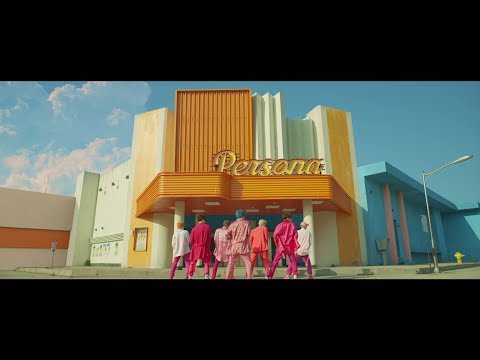
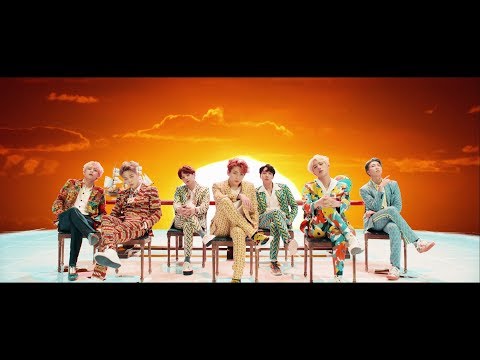
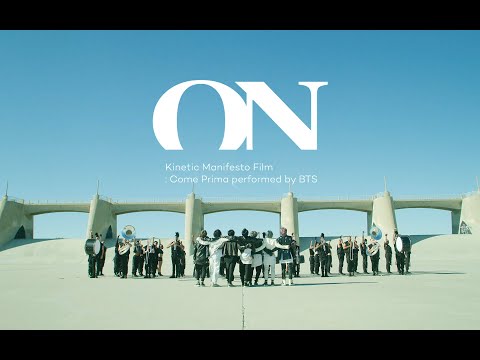
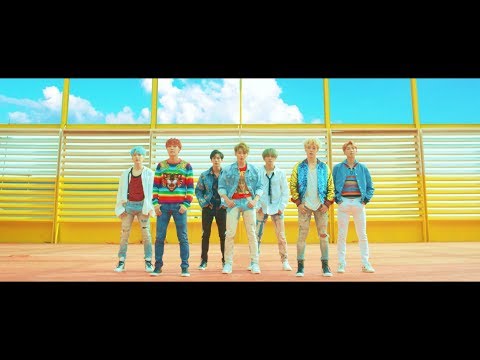
BTS (방탄소년단) return as a full group with the “SWIM” Official MV, the lead single from their 5th studio album ARIRANG, released on March 20, 2026 at 1 PM KST (0 AM ET) on YouTube. The video, directed by acclaimed Spanish filmmaker Tanu Muiño and starring American actress Lili Reinhart, is a sweeping, cinematic narrative set on a massive sailing ship in Lisbon, Portugal, blending high-seas drama with introspective, emotional storytelling.
“SWIM” is Track 7 on ARIRANG, an alternative pop anthem with a minimalist, repetitive chorus (“Swim, swim / Water falling off your skin”) that builds into an uplifting message of enduring obstacles without stopping. The lyrics encourage embracing life’s waves, with lines like “I could spend a lifetime watching you swim” evoking support, admiration, and shared resilience.
The MV’s visual concept parallels cinematic ocean dramas (with some viewers noting parallels to Titanic), using the ship, ropes, and waves as metaphors for struggle, direction, and perseverance. Reinhart appears as a central figure facing personal turmoil, with BTS encouraging her metaphorical “swim” forward, symbolizing resilience and forward momentum.
Key facts:
Album: ARIRANG (released March 20, 2026)
Lead single: “SWIM”
Official MV premiere: March 20, 2026, 1 PM KST / 0 AM ET
Director: Tanu Muiño (Spanish filmmaker)
Star: Lili Reinhart (American actress)
First-day views: over 36 million on YouTube within the first day
First-hour views: 5 million+
Most-liked music video of 2026 on YouTube in under three hours
Quickly hit #1 on YouTube’s music trending chart
The track itself is praised for its understated production: a simple, monotone yet catchy hook anchors the verses, avoiding bombastic drops in favor of emotional resonance. Jimin explained the track’s meaning in pre-release comments, saying it reflects BTS’s current mindset: “still moving forward” despite challenges. V admitted initially finding “SWIM” “unstimulating” but noted its lasting appeal, while RM revealed the group deliberated longest over selecting it as the title track, underscoring its thoughtful fit for this era.
Connect with BTS:
Official website: https://ibighit.com/bts
X (Twitter): @bts_bighit, @BTS_twt
Facebook: bangtan.official
YouTube: BANGTANTV, HYBE LABELS
Instagram: @BTS.bighitofficial
TikTok: @bts_official_bighit
Weverse: https://weverse.io/bts/highlight
Weibo, Youku, and other platforms via official links.
This description is written for fans, media, and search engines, combining accurate release data, view milestones, symbolic context, and platform links to maximize engagement and SEO performance.
Critical Analysis: BTS, “SWIM”, and Their Real Contribution to Society and Industry
Very Positive Scenarios: BTS as a Global Catalyst
1. Music Industry, Streaming Economics, and Visual Storytelling
“SWIM” demonstrates BTS’s ability to drive global music consumption and elevate the standard for music video storytelling:
With over 36 million views in the first day and 5 million+ in the first hour, the MV reinforced BTS as a top-tier global traffic engine for YouTube and streaming platforms.
The multi-phase rollout (official MV, performance video, two live clips) creates sustained engagement, encouraging fans to revisit the track across different formats and platforms, which boosts streaming numbers and video views over time.
This approach reinforces the idea that long-form, multi-visual rollouts can be more effective than single-visual drops, pushing the industry to adopt more complex, layered release strategies for major artists.
2. Cultural Representation, Language, and Global Identity
“SWIM” and its visuals also reflect BTS’s role as cultural bridges between Korea and the global stage:
The song’s themes of navigation, resilience, and shared struggle resonate across cultures, allowing BTS to communicate universal messages while maintaining a distinctly Korean artistic identity.
The ocean and ship setting, combined with Western casting (Lili Reinhart) and a Spanish director, helps demystify K-pop for audiences who might perceive the genre as overly stylized, showing that BTS can operate within a global cinematic language.
In this sense, BTS functions as a global cultural ambassador, helping to normalize Korean-language music and Korean artistic expression in mainstream Western markets.
3. Fan Communities, Mental Health, and Social Engagement
The messaging behind “SWIM” supports positive social dialogue:
Themes of “keeping swimming” and navigating turbulent waters align with BTS’s broader advocacy for mental health awareness, self-acceptance, and resilience, reinforcing messages that have already influenced millions of young listeners.
ARMY continues to organize around charity drives, social campaigns, and community support, using BTS’s music and messaging as a rallying point for collective action.
For many fans, “SWIM” is not just a pop track but a symbol of solidarity, encouraging them to stay afloat during personal or societal challenges.
Very Negative Scenarios: Critiques, Backlash, and Structural Risks
1. Artistic Criticism: Lack of Impact, Over-Cinematic Direction, and Underwhelming Choreography
Even among supporters, “SWIM” has faced artistic skepticism:
Some viewers describe the song as “pleasant” but not revolutionary, with synth work that feels “lacklustre” and not particularly memorable.
Critics note that the MV is heavy on the female lead’s narrative, with BTS appearing more as supporting figures rather than the central focus, which some fans felt was “underwhelming” for a full-group comeback.
The choreography is seen as minimal and performance-light, with the track being more R&B/rap and atmospheric than dance-driven, leading some to call it “underwhelming” compared to expectations for a BTS comeback.
These critiques suggest that BTS’s attempt to prioritize cinematic storytelling and emotional nuance can sometimes overshadow spectacle and performance, alienating listeners who prefer more traditional, high-impact K-pop choreography.
2. Industry Inequality, Fandom Pressure, and Commercialization of Emotion
While BTS’s success is undeniable, critics argue:
The scale of “SWIM” campaigns can inflate expectations for other artists, pressuring them to produce similarly massive visual and promotional cycles that smaller labels cannot afford.
The intense tracking of views, chart positions, and fan-driven metrics can create toxic pressure on fans, who feel responsible for “proving” BTS’s dominance through relentless streaming and voting.
The emotional messaging (“keep swimming,” “I could spend a lifetime watching you”) risks being commercialized, where genuine social issues are packaged as brand content rather than leading to deeper structural change.
In this sense, “SWIM” can be seen as a double-edged sword: a powerful anthem of resilience and solidarity, but also a product embedded in a hyper-commercial system that can exploit both artists and fans.
3. Language and Identity Debates
“SWIM” and the ARIRANG era also highlight ongoing debates about language and identity:
Some critics question BTS’s use of English-dominated lyrics in a track tied to an album named after a traditional Korean folk song, arguing that theconcept and language feel mismatched.
Others argue that the Western casting and cinematic style can make the song feel less distinctly Korean, diluting the cultural specificity that originally made BTS unique.
These discussions reflect broader tensions in the K-pop industry about how to balance global appeal with cultural authenticity, and whether BTS’s shift toward Western cinematic language serves or undermines their identity.
Real Value of Contribution: Balanced Assessment Across Sectors
1. Music & Digital Platforms
Positive:
“SWIM” helped reinforce the idea that cinematic, narrative-driven music videos can sustain engagement and drive streaming over time, influencing how major artists plan releases.
The track’s massive first-day performance shows that non-English, non-Western artists can still dominate the US and global markets, encouraging more investment in cross-cultural collaborations and global distribution.
Negative:
The “SWIM” phenomenon can distort market expectations, pressuring smaller artists to match mega-scale campaigns that are financially unsustainable for most labels.
The intense focus on view counts and chart positions can overshadow artistic innovation, pushing the industry toward spectacle-driven releases rather than nuanced, experimental work.
Net contribution: A major accelerant for digital music growth and platform evolution, but with risks of market distortion and overemphasis on metrics.
2. Cultural Diplomacy, Identity, and Global Perception
Positive:
“SWIM” and the ARIRANG era reinforce BTS’s role as cultural ambassadors, helping to normalize Korean-language music and Korean artistic identity in mainstream global culture.
The song’s universal themes of struggle, resilience, and solidarity allow it to resonate across cultures, making it a shared global reference point for young audiences.
Negative:
The global dominance of BTS can lead to a narrow framing of Korean culture, where the country’s identity is often associated primarily with one group, potentially overshadowing other artists, traditions, and voices.
There is a risk of romanticizing struggle and framing emotional pain as a promotional tool, which can blur the line between genuine social support and brand-driven storytelling.
Net contribution: Strong positive impact on cultural diversity and global representation, but requiring careful management to avoid homogenization and superficiality.
3. Fan Communities, Mental Health, and Social Engagement
Positive:
“SWIM” and BTS’s broader messaging encourage fans to reflect on mental health, self-acceptance, and resilience, contributing to broader social conversations around these issues.
The global scale of ARMY has created networked communities that support each other, share resources, and organize for social causes, from charity drives to activism.
Negative:
The hyper-competitive nature of streaming, chart tracking, and view counts can create pressures and burnout for fans, especially younger ones who feel responsible for proving BTS’s success.
Emotional messaging can be co-opted by commercial interests, where messages of healing and solidarity are used to sell products rather than drive systemic change.
Net contribution: Significant potential for positive social impact and community building, but with risks of exploitation, pressure, and superficial engagement if not critically managed.
Final Synthesis
BTS’s “SWIM” Official MV is not just a music video; it is part of a global cultural and economic event that:
Demonstrates BTS’s ability to dominate YouTube and streaming platforms with cinematic, narrative-driven visuals.
Offers a visually rich, emotionally resonant story centered on resilience, solidarity, and shared struggle.
Sparks both praise for its maturity and criticism for being underwhelming, over-cinematic, or language-mismatched.
The very positive side is clear: massive viewership, sustained engagement, and a powerful message of resilience and solidarity.
The very negative side is structural: artistic criticism of lack of impact, risks of industry inequality, fan pressure, and commercialization of emotion.
In terms of real value of contribution, “SWIM” functions as a high-impact catalyst for the music industry, digital platforms, and cultural diplomacy, but its long-term benefit depends on how the industry and society balance scale with diversity, metrics with artistry, and commercial success with genuine social impact.
All data and event details referenced here are based on 2026 reporting from IBTimes, Kpop Reviewed, The Bias List, YouTube, and BTS official channels, as well as fan and critic discussions.