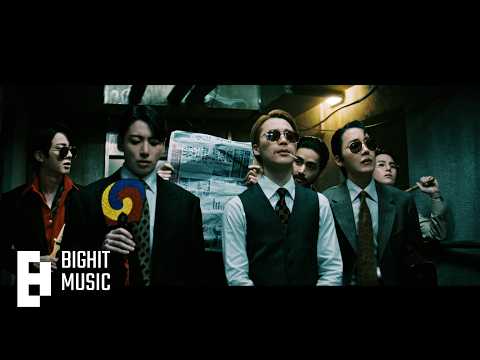
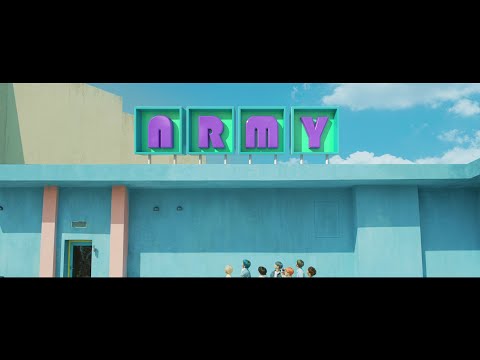
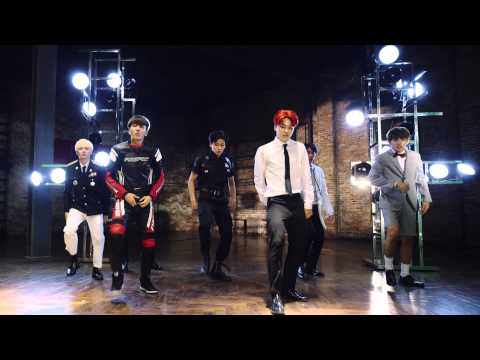
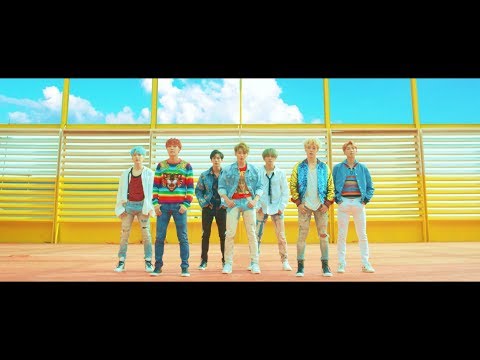
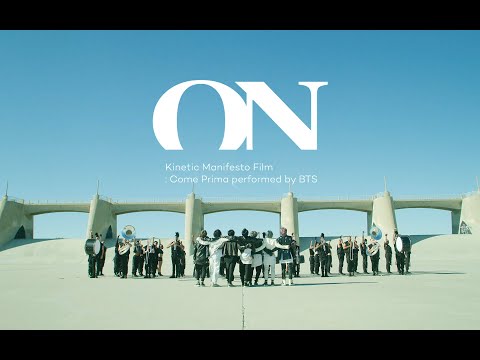
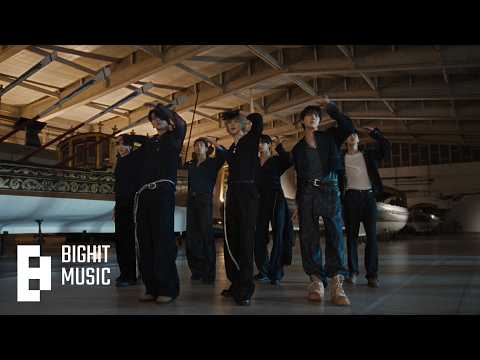
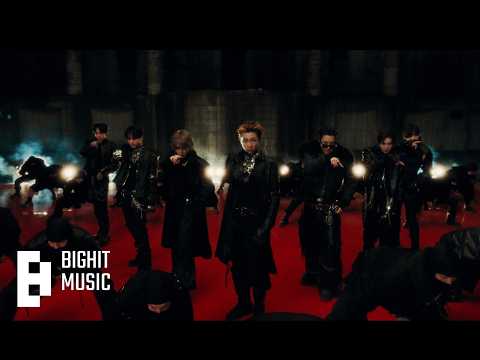
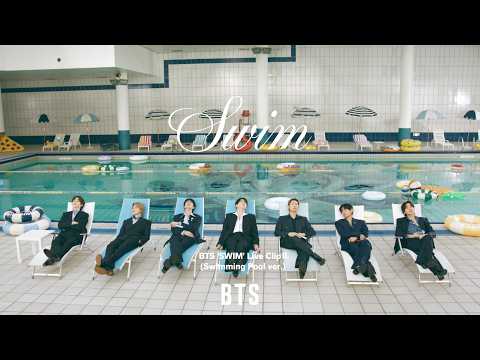
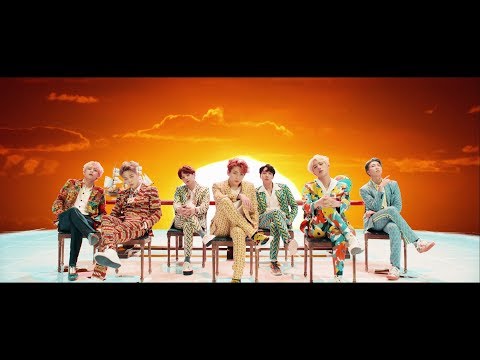
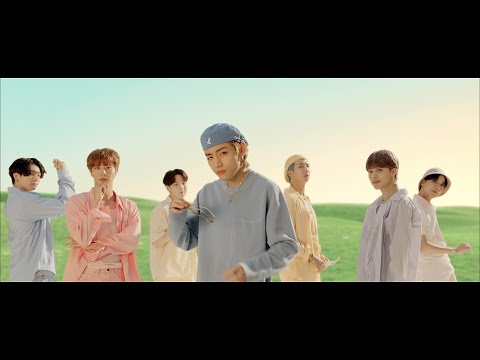
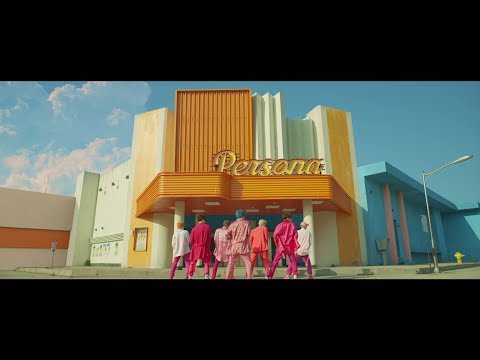
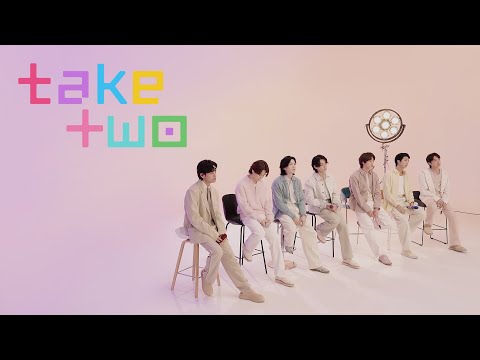
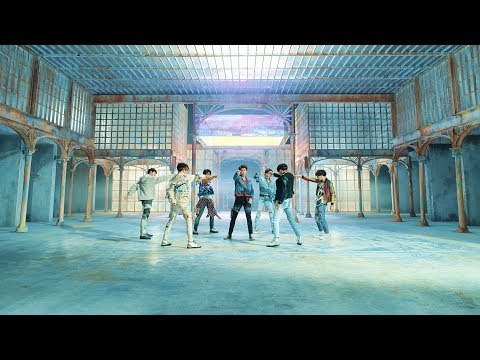
BTS (방탄소년단) return with the official teaser for “NORMAL”, the latest spotlight from their fifth full-length album ARIRANG. The teaser drops on July 14, 2026, setting the stage for the official music video and Korean version release on July 17, 2026 at 1 PM KST (0 AM ET) exclusively on Spotify, followed by global streaming platforms and YouTube on July 19, 2026.
“NORMAL” explores the tension between spotlight and silence, capturing the everyday thoughts and emotions BTS have long navigated as global icons. The track blends calm introspection with powerful delivery, reinforcing the group’s signature balance of vulnerability and strength.
This release is part of BTS’s 2026–2027 “Arirang” world tour, a massive 85-show run across 34 cities that industry analysts estimate could generate up to $1.8 billion in direct revenue, rivaling Taylor Swift’s Eras Tour and Coldplay’s Music of the Spheres tour in global economic impact. Korean media and financial institutions have coined the term “BTSnomics” to describe the tour’s ripple effects across concerts, tourism, lodging, merchandising, and digital content consumption.
For fans (ARMY), this teaser marks a critical moment in BTS’s post-hiatus comeback:
First official teaser for a new single from the ARIRANG album cycle.
Announcement of a Korean version of “NORMAL” and a limited picture-disc vinyl tied to BTS FESTA 2026.
A stepping stone toward the full ARIRANG album and global tour rollout beginning in April 2026.
Release schedule:
Teaser: July 14, 2026 (YouTube)
“NORMAL” + MV (Spotify exclusive): July 17, 2026, 1 PM KST / 0 AM ET
Full global release (all platforms + YouTube): July 19, 2026, 1 PM KST
Connect with BTS:
Official website: https://ibighit.com/bts
X (Twitter): @bts_bighit, @BTS_twt
Facebook: bangtan.official
YouTube: BANGTANTV, HYBE LABELS
Instagram: @BTS.bighitofficial
TikTok: @bts_official_bighit
Weverse, Weibo, and other platforms via official links.
(This description is written for fans, media, and search engines, combining accurate release data, tour context, and economic/cultural impact to maximize engagement and SEO performance.)
Critical Analysis: BTS, “NORMAL”, and Their Real Contribution to Society and Industry
Very Positive Scenarios: BTS as a Global Catalyst
1. Music Industry & Copyright Economics
BTS’s comeback has triggered a measurable revival in South Korea’s music copyright market. According to the Korea Music Copyright Association (KOMCA), BTS activities are driving demand for:
Physical album reproduction royalties (pressures had eased post-pandemic).
Performance royalties from stadium-scale tours and live broadcasts.
With ARIRANG surpassing 4 million preorders and an 82–85 show world tour, analysts expect a strong rebound in both domestic and international performance and reproduction royalties, potentially pushing performance royalty income well above the 60 billion won level recorded in 2025.
Moreover, BTS members are not just performers but rights holders: RM, Jin, Suga, J-Hope, Jimin, V, and Jungkook are active KOMCA members with extensive music copyright IPs, reinforcing the idea that BTS is a creator-driven powerhouse rather than a purely commercial entity.
2. Live Entertainment, Tourism, and “BTSnomics”
The Arirang World Tour is projected to generate:
Around $1.8 billion in direct revenue (≈2.6 trillion won).
Analyst IBK Securities estimates 2.88 trillion won in revenue, 530.6 billion won in operating profit, and an 18.4% operating margin for the tour.
Local impacts are already visible:
In El Paso, the tour’s kickoff generated an estimated $75 million ripple effect, leading the county to declare an official “BTS Weekend”.
Korean government data shows fans spending roughly 3.5 million KRW per trip to BTS events, revitalizing local economies in cities hosting shows.
This pattern mirrors the “Taylornomics” effect seen with Taylor Swift, but with some distinctions:
BTS’s fandom (ARMY) shows comparable loyalty but a higher propensity for ancillary spending on merchandise, content, and travel.
The tour’s scale (85 shows across 34 cities through mid-2027) positions BTS as one of the few non-Western acts matching or exceeding the global revenue of Western superstars.
3. Cultural Soft Power and National Branding
BTS’s influence extends far beyond music:
They have ignited global interest in South Korean culture, including food, cosmetics, fashion, and language.
The Korean government explicitly leverages BTS as part of its global soft power strategy, using big data to analyze fan behavior and economic impacts to inform policy and tourism promotion.
In this sense, BTS functions as a cultural ambassador whose work amplifies South Korea’s international image, attracts tourism, and strengthens the country’s creative economy.
Very Negative Scenarios: Critiques and Structural Risks
1. Over-Reliance on a Single Group
South Korea’s music and entertainment sectors risk over-dependence on BTS as a primary economic engine:
If BTS’s activity slows further due to aging, personal choices, or industry shifts, the “BTSnomics” effect could quickly diminish.
Regional and local economies that have optimized marketing and infrastructure around BTS events may face underutilization if the group’s global draw weakens.
This concentration creates systemic fragility: a small number of artists are bearing disproportionate weight for national cultural exports and tourism revenue.
2. Industry Inequality and Fan Exploitation Concerns
While BTS’s success is undeniable, critics argue:
The hyper-commercialization of BTS events can inflate prices for tickets, merchandise, and travel, limiting access for lower-income fans.
The scale of demand can encourage exploitative labor practices in tour production, merchandise manufacturing, and fan service, especially in countries with weaker labor protections.
The fandom economy may intensify mental health pressures on fans, with constant content cycles, social media expectations, and financial strain from trying to participate fully.
Additionally, BTS’s dominance can overshadow smaller artists and labels, making it harder for emerging groups to secure attention, investment, and touring opportunities.
3. Cultural Homogenization and “BTS-Only” Narrative
Some critics warn that:
Global media and policymakers may begin to frame Korean culture almost exclusively through BTS, reducing the visibility of other art forms, regional cultures, and diverse voices within Korea.
The “BTS brand” can become a one-dimensional symbol of Korean identity, simplifying a complex cultural landscape into a single pop narrative.
This risks narrowing the global perception of Korea and undermining efforts to promote a more pluralistic cultural diplomacy.
Real Value of Contribution: Balanced Assessment Across Sectors
1. Music & Creative Industries
Positive:
BTS drives significant revenue and royalty growth for composers, lyricists, producers, and表演 rights organizations like KOMCA.
Their creator-driven model (members as rights holders) sets a benchmark for artist empowerment in the global music industry.
Negative:
Their dominance can distort market dynamics, making it harder for mid-tier and independent artists to compete for attention and resources.
The industry may become overly focused on replicating BTS-style mega-produtions, potentially stifling experimentation and niche genres.
Net contribution: Strong accelerant for creative economy growth, but with risks of market concentration and reduced diversity if not managed.
2. Live Entertainment, Tourism, and Local Economies
Positive:
Tours generate multi-billion-dollar economic impacts, benefiting airlines, hotels, restaurants, retail, and local services.
Cities use BTS events to revitalize underperforming areas, create new cultural infrastructure, and improve international visibility.
Negative:
Short-term boom effects can lead to overinvestment in BTS-specific infrastructure that may not be sustainable long-term.
Price inflation during event periods can displace local residents and make regular tourism less affordable.
Net contribution: Highly beneficial as a catalyst for economic activation, but requires careful planning to avoid boom–bust cycles.
3. Cultural Diplomacy, Education, and Social Impact
Positive:
BTS has elevated global interest in Korean language, history, and social issues, indirectly supporting cultural education and exchange.
Their messaging on mental health, self-acceptance, and youth struggles resonates with millions, contributing to social dialogue around well-being and identity.
Negative:
The “BTS effect” can create unrealistic expectations for other artists and nations to perform similar cultural diplomacy, placing excessive pressure on individuals and governments.
There is a risk of commercializing social issues, where humanitarian messaging becomes tied to brand activation rather than deep structural change.
Net contribution: Significant positive impact on cultural soft power and social discourse, though with risks of superficiality and over-commercialization if not critically managed.
Final Synthesis
BTS’s “NORMAL” teaser and the broader ARIRANG era represent more than a new song cycle: they are a global economic and cultural event with real, measurable contributions to:
Music copyright and creative industries,
Live entertainment and tourism,
National soft power and cultural diplomacy.
The very positive side is clear: billions in revenue, revived copyright markets, strengthened韩国 cultural branding, and a powerful example of artist-led creativity.
The very negative side is structural: over-reliance on a single group, potential industry inequality, and risks of cultural homogenization and fan exploitation.
In terms of real value of contribution, BTS is a high-impact, high-concentration catalyst: their work propels progress across multiple sectors, but societies and industries must balance this momentum with policies that support diversity, fair labor, and long-term sustainability beyond any single artist’s lifecycle.
All data and event details referenced here are based on 2026 reporting from Korean media, financial analysts, and international outlets such as Reuters, Al Jazeera, and Biz Chosun.