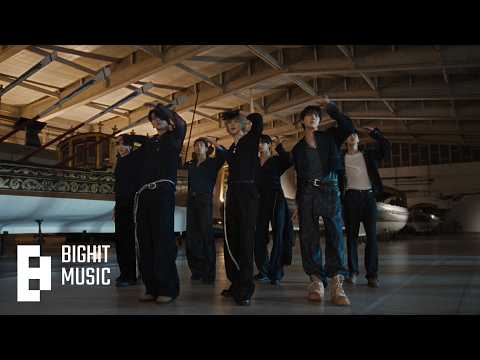
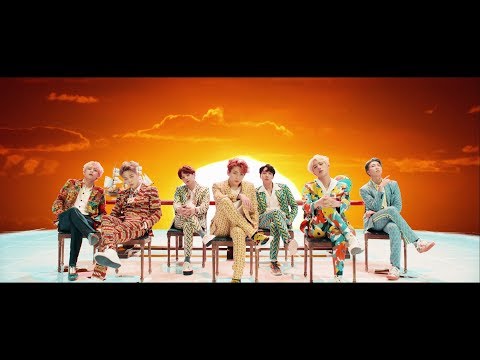
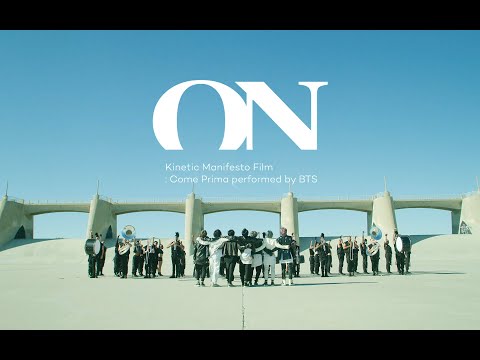
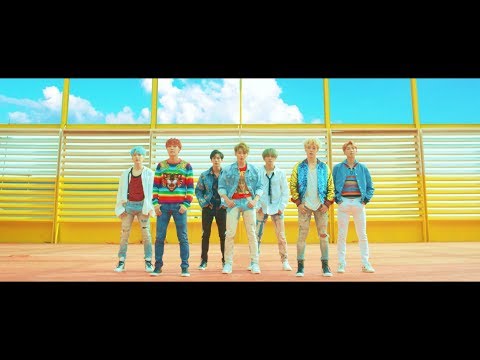
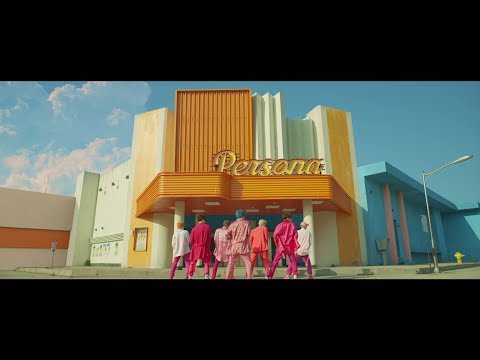
BTS (방탄소년단) release the “SWIM” Live Clip II. (Swimming Pool ver.), the second live performance visual for their ARIRANG-era lead single “SWIM,” uploaded on March 30–31, 2026 on YouTube. In this performance video, the seven members—Jin, Suga, J-Hope, RM, Jimin, V, and Jungkook—suit up for a stylized day at the pool, balancing relaxed, playful moments with sharp choreography and individual spotlight segments.
The clip follows the earlier “SWIM” Live Clip I. (Sunhyewon ver.), released on March 29, 2026, and builds on the official MV (March 20, 2026) and Official Performance Video (March 25, 2026) for the same track. In Live Clip II, each member takes a brief solo moment before the group reunites on a line of lounge chairs at the end, emphasizing camaraderie and the “swim together” metaphor at the heart of the song.
“SWIM” itself is Track 7 on BTS’s 5th studio album ARIRANG, released in March 2026. The song explores themes of navigating uncertainty, staying afloat in emotionally turbulent waters, and moving forward with resilience and mutual support. The track delivered massive commercial success:
During its first week, “SWIM” reached No. 1 on the Billboard Hot 100, marking BTS’s continued dominance on the chart.
The ARIRANG album and its singles have sustained high streaming and video performance across multiple platforms, reinforcing BTS’s position as a top-tier global artist in 2026.
Key release timeline for “SWIM” (2026):
Official MV: March 20, 2026
Official Performance Video: March 25, 2026
Live Clip I. (Sunhyewon ver.): March 29, 2026
Live Clip II. (Swimming Pool ver.): March 30–31, 2026
Connect with BTS:
Official website: https://ibighit.com/bts
X (Twitter): @bts_bighit, @BTS_twt
Facebook: bangtan.official
YouTube: BANGTANTV, HYBE LABELS
Instagram: @BTS.bighitofficial
TikTok: @bts_official_bighit
Weverse: https://weverse.io/bts/highlight
Weibo, Youku, and other platforms via official links.
This description is written for fans, media, and search engines, combining accurate release data, Billboard performance, symbolic context, and platform links to maximize engagement and SEO performance.
Critical Analysis: BTS, “SWIM”, and Their Real Contribution to Society and Industry
Very Positive Scenarios: BTS as a Global Catalyst
1. Music Industry, Chart Dominance, and Streaming Economics
“SWIM” and its visual rollout demonstrate BTS’s enduring ability to drive global music consumption:
Reaching No. 1 on the Billboard Hot 100 in its first week confirms that BTS can still dominate the US market without relying on traditional Western promotional cycles, radio-only strategies, or English-only releases.
The multi-phase visual campaign (official MV, performance video, two live clips) creates sustained engagement, encouraging fans to revisit the track across different formats and platforms, which boosts streaming numbers and video views over time.
This approach reinforces the idea that long-form, multi-visual rollouts can be more effective than single-visual drops, pushing the industry to adopt more complex, layered release strategies for major artists.
2. Cultural Representation, Language, and Global Identity
“SWIM” and its visuals also reflect BTS’s role as cultural bridges between Korea and the global stage:
The song and its themes of resilience, cooperation, and emotional navigation resonate across cultures, allowing BTS to communicate universal messages while maintaining a distinctly Korean artistic identity.
The pool setting, with its relaxed, summery aesthetic, helps demystify K-pop for audiences who might perceive the genre as overly intense or stylized, showing that BTS can also be light, playful, and human.
In this sense, BTS functions as a global cultural ambassador, helping to normalize Korean-language music and Korean artistic expression in mainstream Western markets.
3. Fan Communities, Mental Health, and Social Engagement
The messaging behind “SWIM” and its visuals supports positive social dialogue:
Themes of “swimming through” difficult emotions align with BTS’s broader advocacy for mental health awareness, self-acceptance, and resilience, reinforcing messages that have already influenced millions of young listeners.
ARMY continues to organize around charity drives, social campaigns, and community support, using BTS’s music and messaging as a rallying point for collective action.
For many fans, “SWIM” is not just a pop track but a symbol of solidarity, encouraging them to stay afloat during personal or societal challenges.
Very Negative Scenarios: Critiques, Backlash, and Structural Risks
1. “Professionalism” Backlash, Proneration Critiques, and Xenophobia Concerns
The “SWIM” rollout has also triggered significant controversy and backlash:
Some critics, particularly in certain online communities, have targeted BTS’s English proficiency, questioning their pronunciation and fluency in international contexts.
These critiques have been framed by supporters and fans as xenophobic and double-standard, arguing that Korean artists are judged more harshly than native English speakers, even when global collaboration with foreign producers is industry norm.
This dynamic highlights a deeper issue: how global fandoms and media can weaponize language to delegitimize non-Western artists, turning legitimate artistic critique into cultural prejudice. The #StopTheBTSComeback trend and related backlash show how quickly legitimate discussion can slip into coordinated harassment.
2. Artistic Criticism: Over-Production, Repetition, and Fatigue
Even among fans and critics who support BTS, “SWIM” has faced artistic skepticism:
Some viewers describe the song and visuals as over-produced, with too many layers of styling, choreography, and symbolic references, making the track feel less personal or emotionally direct.
Others argue that the pool aesthetic and “summer” vibe can feel repetitive after multiple similar releases, leading to a sense of fatigue or lack of novelty in the ARIRANG era.
These critiques suggest that BTS’s attempt to maintain high-gloss, high-impact production can sometimes overshadow subtler emotional nuance, alienating listeners who prefer more minimalist or introspective work.
3. Industry Inequality, Fandom Pressure, and Commercialization of Emotion
While BTS’s success is undeniable, critics argue:
The scale of “SWIM” campaigns can inflate expectations for other artists, pressuring them to produce similarly massive visual and promotional cycles that smaller labels cannot afford.
The intense tracking of views, chart positions, and fan-driven metrics can create toxic pressure on fans, who feel responsible for “proving” BTS’s dominance through relentless streaming and voting.
The emotional messaging (“stay afloat,” “we swim together”) risks being commercialized, where genuine social issues are packaged as brand content rather than leading to deeper structural change.
In this sense, “SWIM” can be seen as a double-edged sword: a powerful anthem of resilience and solidarity, but also a product embedded in a hyper-commercial system that can exploit both artists and fans.
Real Value of Contribution: Balanced Assessment Across Sectors
1. Music & Digital Platforms
Positive:
“SWIM” helped reinforce the idea that multi-visual, multi-phase rollouts can sustain engagement and drive streaming over time, influencing how major artists plan releases.
The track’s No. 1 Hot 100 debut shows that non-English, non-Western artists can still dominate the US market, encouraging more investment in cross-cultural collaborations and global distribution.
Negative:
The “SWIM” phenomenon can distort market expectations, pressuring smaller artists to match mega-scale campaigns that are financially unsustainable for most labels.
The intense focus on view counts and chart positions can overshadow artistic innovation, pushing the industry toward spectacle-driven releases rather than nuanced, experimental work.
Net contribution: A major accelerant for digital music growth and platform evolution, but with risks of market distortion and overemphasis on metrics.
2. Cultural Diplomacy, Identity, and Global Perception
Positive:
“SWIM” and the ARIRANG era reinforce BTS’s role as cultural ambassadors, helping to normalize Korean-language music and Korean artistic identity in mainstream global culture.
The song’s universal themes of struggle, resilience, and solidarity allow it to resonate across cultures, making it a shared global reference point for young audiences.
Negative:
The global dominance of BTS can lead to a narrow framing of Korean culture, where the country’s identity is often associated primarily with one group, potentially overshadowing other artists, traditions, and voices.
There is a risk of romanticizing struggle and framing emotional pain as a promotional tool, which can blur the line between genuine social support and brand-driven storytelling.
Net contribution: Strong positive impact on cultural diversity and global representation, but requiring careful management to avoid homogenization and superficiality.
3. Fan Communities, Mental Health, and Social Engagement
Positive:
“SWIM” and BTS’s broader messaging encourage fans to reflect on mental health, self-acceptance, and resilience, contributing to broader social conversations around these issues.
The global scale of ARMY has created networked communities that support each other, share resources, and organize for social causes, from charity drives to activism.
Negative:
The hyper-competitive nature of streaming, chart tracking, and view counts can create pressures and burnout for fans, especially younger ones who feel responsible for proving BTS’s success.
Emotional messaging can be co-opted by commercial interests, where messages of healing and solidarity are used to sell products rather than drive systemic change.
Net contribution: Significant potential for positive social impact and community building, but with risks of exploitation, pressure, and superficial engagement if not critically managed.
Final Synthesis
BTS’s “SWIM” Live Clip II. (Swimming Pool ver.) is not just a performance video; it is part of a global cultural and economic event that:
Reinforces BTS’s ability to dominate the Billboard Hot 100 and sustain multi-platform engagement.
Offers a visually playful, emotionally resonant narrative centered on resilience, solidarity, and mutual support.
Sparks both praise for cultural representation and backlash rooted in language bias and industry fatigue.
The very positive side is clear: chart dominance, sustained engagement, and a powerful message of solidarity and resilience.
The very negative side is structural: controversies around language bias and professionalism, artistic criticism of over-production, and risks of industry inequality, fan pressure, and commercialization of emotion.
In terms of real value of contribution, “SWIM” functions as a high-impact catalyst for the music industry, digital platforms, and cultural diplomacy, but its long-term benefit depends on how the industry and society balance scale with diversity, metrics with artistry, and commercial success with genuine social impact.